
Key Takeaways
- Heat pumps move heat to provide both winter heating and summer cooling.
- Proper sizing and home efficiency matter as much as the equipment itself.
- Cold-climate models are designed for stronger low-temperature performance.
- Ducted, ductless, dual-fuel, and ground-source systems suit different homes.
- Routine filter care and outdoor-unit maintenance can prevent avoidable problems.
Salt Lake City homeowners need heating and cooling plans that can handle snowy winter mornings, dry summer heat, and fast seasonal shifts along the Wasatch Front. Exploring heat pump installation in Salt Lake City Utah can be a practical first step when replacing an aging furnace, air conditioner, or both.
A heat pump can provide heating and cooling with a single system, but comfort depends on more than just the outdoor unit. Insulation, air leakage, ductwork, electrical capacity, equipment sizing, controls, and winter backup heat all influence how well a system performs in a Salt Lake City home.
Why Heat Pumps Are Getting More Attention
Unlike a furnace that creates heat through combustion or electric resistance, an air-source heat pump transfers heat between indoors and outdoors. In winter, it gathers available outdoor heat and brings it inside. In summer, it reverses direction and removes heat from the home. This two-season function can simplify equipment planning for homes that need both a furnace replacement and new air conditioning.
Modern systems may use variable-speed compressors and controls that adjust output more gradually than older single-stage equipment. That can support steadier indoor temperatures, although a longer runtime is not automatically a sign of trouble. In Salt Lake City, the right model still depends on the home’s heat loss, local utility costs, and expected winter conditions.
Understand How a Heat Pump Feels in Daily Use
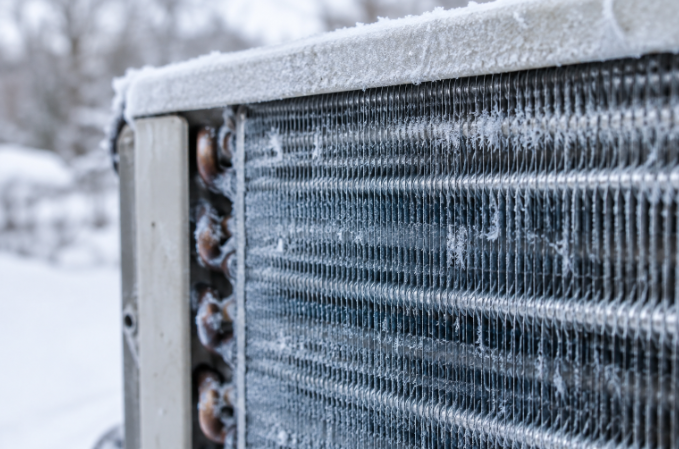
A heat pump uses an outdoor coil, an indoor coil, a compressor, a refrigerant, and a reversing valve to move heat. Because it often delivers heat steadily rather than in short, very hot blasts, supply air can feel less intense than furnace air while the room remains comfortable. During winter, the unit may periodically enter a defrost cycle to clear frost from the outdoor coil. Backup heat can briefly assist during that process.
Check the Home Before Choosing Equipment
Before selecting a system, review the building itself. Look for thin attic insulation, drafts around doors and windows, unsealed plumbing penetrations, duct leaks, crushed flex ducts, blocked returns, and rooms that are consistently warmer or colder than the rest of the house. A cold upstairs bedroom may point to poor duct balance or inadequate return airflow, not necessarily an undersized heat pump.
Improving air sealing and insulation can reduce heating and cooling demand, potentially allowing for a smaller system. The electrical panel, outdoor-unit location, condensate drainage, snow clearance, and access for future maintenance should also be part of the planning conversation.
Compare the Main Heat Pump Options
Ducted Air-Source Systems
Ducted systems can serve an entire home through central ductwork. They are often a good fit when existing ducts are properly sized, sealed, and insulated where needed, and can deliver balanced airflow to each room.
Ductless Mini-Split Systems
Ductless systems use one or more indoor units connected to an outdoor unit. They can work well for additions, finished basements, garages, older homes without usable ducts, or spaces with persistent comfort problems. Indoor-unit placement and filter cleaning are important for effective operation.
Dual-Fuel Systems
A dual-fuel setup pairs a heat pump with a furnace. Controls can choose the heat source based on outdoor temperature, demand, or operating cost. This approach may make sense for a home with a newer, serviceable gas furnace and an aging air conditioner.
Ground-Source Systems
Ground-source systems exchange heat with underground loops rather than with outdoor air. They can provide stable performance, but site conditions, available space, drilling or excavation needs, and higher upfront costs require a detailed evaluation.
Choose Cold-Weather Performance, Not Just a Brand Name
For Salt Lake City winters, ask about heating capacity at low outdoor temperatures, variable-speed operation, defrost controls, sound levels, and the system’s low-temperature operating range. Cold-climate ENERGY STAR criteria can help homeowners compare equipment with third-party verified low-temperature performance. Do not assume every heat pump has the same capacity or efficiency when temperatures fall.
Why Accurate Sizing Matters
Bigger is not always better. Oversized equipment can cycle on and off too often, while undersized equipment may depend heavily on backup heat during colder weather. Request a room-by-room heating and cooling load calculation, commonly called a Manual J calculation, rather than choosing a system by square footage alone. Ask for the written assumptions behind the recommendation, including insulation levels, window area, duct condition, and design temperatures.
When Backup Heat Makes Sense
Supplemental heat can be useful during severe cold, defrost cycles, rapid thermostat recovery, or in homes with significant heat loss. It does not automatically mean the heat pump has failed. The Department of Energy’s overview of heat pump systems also notes that air-source, ductless, and ground-source designs can fit different home configurations. A contractor should clearly explain when backup heat will activate and how those settings affect operating costs.
Estimate the Full Cost of Ownership
Compare more than the quoted equipment price. Include installation labor, electrical upgrades, duct repairs, thermostat changes, permits, commissioning, maintenance, and estimated electricity or fuel use. Rebates, utility programs, and tax incentives can change, so verify current eligibility and requirements before signing a contract. A lower purchase price may not represent the best long-term value if the installation leaves airflow or envelope problems unresolved.
Questions to Ask Before Installation
- Was a room-by-room load calculation completed?
- What heating capacity will this system provide in low temperatures?
- Can the existing ducts and returns support the new equipment?
- When will backup heat operate?
- What electrical work, drainage planning, and outdoor clearance are required?
- What is included in the written installation and commissioning plan?
Maintenance and Warning Signs
Replace or clean filters as directed, keep supply and return grilles open, and clear leaves, grass, and snow away from the outdoor unit. Schedule professional service before major heating and cooling seasons. Arrange an inspection if the system short cycles, develops new rattling or grinding sounds, shows persistent ice buildup, provides weak airflow, or relies on backup heat almost constantly.
Practical Decision Checklist
Start with insulation, air sealing, and duct condition. Then compare ducted and ductless options, review low-temperature performance data, request documented sizing, understand backup-heat settings, and get a detailed written scope of work. A well-planned heat pump system can support reliable year-round comfort in Salt Lake City, Utah while matching the specific needs of the home rather than relying on a one-size-fits-all recommendation.