
Key Takeaways
- A dependable charging site begins with a defined user need, not simply the highest available power rating.
- Electrical capacity, traffic flow, layout, connectivity, and maintenance all affect whether drivers can charge successfully.
- Utility coordination should start before equipment is selected or construction plans are finalized.
- Planning for expansion during the first phase can reduce disruption and cost later.
- Monitoring, customer support, and preventive maintenance are essential parts of operating a charging infrastructure.
Table of Contents
- Why Reliability Matters
- Define the Main Use Case
- Evaluate Demand and Traffic Patterns
- Check Electrical Capacity Early
- Design the Physical Layout
- Choose the Right Equipment
- Plan Connectivity and Access
- Prepare for Growth
- Build a Complete Budget
- Operate and Maintain the Site
- Use a Final Readiness Checklist
Why Reliability Matters at EV Charging Sites
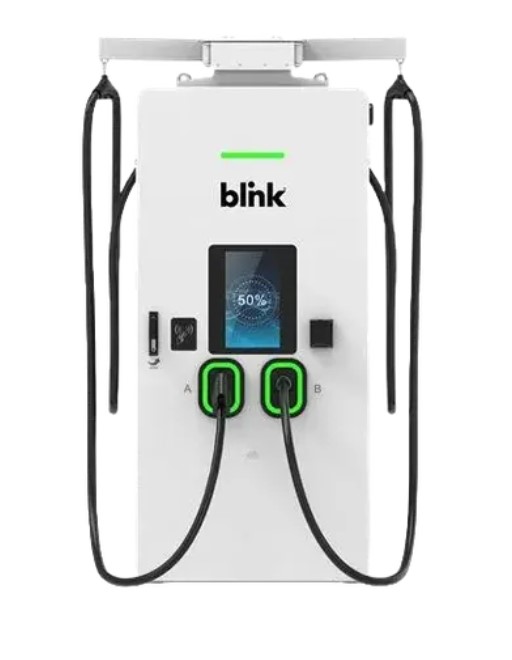
A charging site succeeds when drivers can find it, enter safely, start a session, and leave with the energy they expected. For locations where shorter stops are important, DC fast EV chargers can support rapid charging needs, but the equipment itself is only one part of a reliable experience.
Reliability includes functional hardware, clear access rules, available parking spaces, dependable communications, readable instructions, and responsive support. A charger may be powered and connected, yet still frustrate users if another vehicle blocks the space, payment instructions are unclear, or weak cellular service prevents a session from starting.
Define the Main Use Case
Start by identifying who will charge, when they will arrive, and how long they normally park. This decision should guide the rest of the project.
- Public charging: Prioritize visibility, simple access, safety, payment options, and nearby amenities.
- Fleet charging: Focus on route schedules, departure deadlines, vehicle dwell time, and daily energy needs.
- Workplace charging: Match equipment to longer employee parking periods and expected participation.
- Retail and hospitality charging: Align charging speed with the typical customer visit.
- Multifamily charging: Address resident permissions, parking assignments, billing, and shared electrical capacity.
A hotel may benefit from charging that serves overnight guests, while a busy delivery depot may need several vehicles to receive energy within a narrow overnight window. Those are different operating problems and should not be addressed with the same design.
Evaluate Demand and Traffic Patterns
Estimate use before deciding how many ports to install. Review current parking activity, local EV ownership, nearby destinations, fleet routes, competing chargers, and seasonal patterns. The planning tools for public EV charging infrastructure can help communities and site hosts organize a baseline assessment, compare potential locations, and consider deployment priorities.
- Estimate the number of likely users each day.
- Identify average parking duration and charging windows.
- Map periods of high demand, including weekends or peak fleet return times.
- Review nearby charging options and service gaps.
- Project how demand could change over the next three to five years.
Check Electrical Capacity Early
Electrical capacity can determine whether a promising location is practical. Ask a qualified electrical professional to review the existing service, major building loads, panel capacity, transformer conditions, and likely charging load. Contact the serving utility early to understand whether a service upgrade, new transformer, or additional utility design work may be needed.
Photorealistic view of a modern EV charging site at golden hour, with two electric vehicles connected to fast chargers, warm directional sunlight reflecting off the equipment, subtle shadows, and a calm, dependable atmosphere.
Do not finalize charger selections until you understand the site’s available power. Early utility coordination helps owners compare options such as phased installation, managed charging, or equipment that can share available capacity among multiple vehicles.
Design the Physical Layout
Good layout reduces confusion and protects people, vehicles, and equipment. Place chargers where drivers can locate them easily without creating conflicts with loading areas, fire lanes, pedestrian routes, or normal parking circulation.
- Provide clear entry and exit signs, pavement markings, and lighting.
- Allow adequate turning and reversing room for the vehicles expected to use the site.
- Use bollards or other appropriate protection where vehicles could strike equipment.
- Keep cables from creating unnecessary walking hazards.
- Consider drainage, snow storage, shade, flooding exposure, and local weather conditions.
Accessibility needs should be included from the beginning. Federal guidance on accessible EV charging infrastructure highlights considerations such as usable space around vehicles and equipment, clear paths of travel, signage, and access to the connector.
Choose the Right Equipment
The fastest charger is not automatically the best fit. Select charging equipment based on vehicle capability, parking duration, electrical supply, anticipated simultaneous use, budget, and the operating model. Long-stay workplace or residential parking may be well suited to lower-power charging, while short public stops or time-sensitive fleets may require higher power.
Confirm connector compatibility with expected vehicles and consider power-sharing options when multiple charging ports must operate on a limited electrical service. Equipment decisions should also leave practical room for future additions or replacements.
Plan Connectivity and Access
Charging infrastructure depends on more than electricity. Verify cellular coverage or wired internet service, especially before relying on remote monitoring, payment processing, or app-based access. Clearly communicate who may use the chargers, what they cost, whether parking time limits apply, and how users can request assistance.
Remote status alerts, software updates, and a visible support contact can help site operators respond before a small issue becomes a repeated customer complaint.
Prepare for Growth
Even a modest first phase should anticipate greater demand. Reserve physical space for future equipment, plan conduit routes, document unused electrical capacity, and avoid layouts that would make later expansion difficult. Installing appropriately sized conduit during initial construction may avoid reopening pavement when more chargers are added.
Build a Complete Budget
A useful budget includes more than charger hardware. Account for site assessment, engineering, permits, utility studies, electrical upgrades, trenching, concrete, striping, signage, networking, payment systems, maintenance, insurance, and eventual replacement. Separate one-time capital costs from recurring operating expenses, and include a contingency for conditions discovered during construction.
Operate and Maintain the Site
Construction completion is the beginning of operations, not the end of the project. Establish responsibility for inspections, cable and connector checks, cleaning, software support, payment issues, repairs, and customer communication. Track successful and failed sessions, utilization, energy use, and service response times so future expansion decisions are based on actual performance.
Use a Final Readiness Checklist
- Is the site easy for intended users to find and enter?
- Can the electrical system support the planned charging load?
- Has the utility reviewed relevant service requirements?
- Are traffic flow, pedestrian safety, lighting, and equipment protection addressed?
- Are accessibility requirements considered in the layout?
- Will connectivity, payment, and access controls work reliably at the location?
- Is there room for additional chargers, conduit, and electrical equipment later?
- Does the budget include construction, operations, maintenance, and support?
- Are maintenance and customer-service responsibilities clearly assigned?
Conclusion
A reliable EV charging site is built around the needs of drivers and operators and is supported by sound electrical planning, practical design, appropriate equipment, clear user access, and ongoing maintenance. Sites that address these factors early are better positioned to provide dependable charging now and adapt as EV demand grows.