
Selecting a partner to design and build critical process equipment is rarely a decision made on specification sheets alone. The relationship stretches across design discussions, fabrication timelines, testing and eventual delivery to site, and how a manufacturer handles each of these stages says a great deal about the reliability of the equipment that finally reaches your plant. The same approach also helps project teams identify potential risks before they become costly delays. Communication between engineering, procurement and manufacturing teams can influence how efficiently requirements are understood and translated into finished equipment. A manufacturer that maintains consistency throughout the process can make coordination easier for everyone involved.
What the Design Stage Reveals About a Manufacturer
The design phase is where engineering competence becomes visible early. A manufacturer willing to review process data closely, ask detailed questions about operating conditions and flag potential issues before fabrication begins is generally more trustworthy than one that moves straight to production based on a standard template.
Design discussions can also reveal how well a manufacturer understands the practical requirements of the installation environment. Equipment may need to accommodate space restrictions, connection requirements, maintenance access or specific operating conditions. Identifying these considerations early can prevent unnecessary revisions once fabrication has already started.
Signs of a Thorough Design Process
- Detailed review of pressure, temperature and fluid compatibility data
- Willingness to suggest modifications based on site-specific constraints
- Clear documentation shared before fabrication starts
A thorough design process should also establish clear communication between the manufacturer and the project team. Drawings, specifications and technical revisions need to be properly controlled so that everyone is working from the same information. This reduces confusion when the project moves from engineering into fabrication.
Fabrication and Quality Control Practices
Once design is finalised, fabrication quality determines how the equipment performs over years of service rather than just at commissioning. An established oil field equipment manufacturer typically maintains documented quality checks at each stage, from material verification through to weld inspection, rather than relying on final inspection alone to catch defects.
Material traceability, dimensional accuracy and fabrication procedures can all influence the finished equipment. Quality control is therefore most effective when it is integrated throughout production rather than concentrated at the end. Consistent inspection records can also provide useful evidence that the required manufacturing standards have been followed.
Where Specialised Components Come In
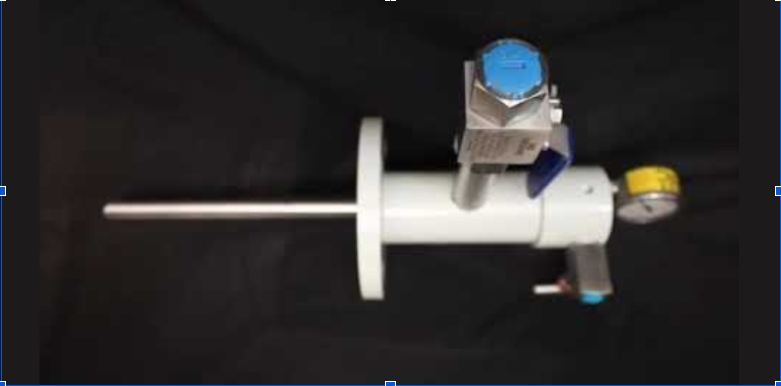
Certain projects call for components built to tighter tolerances than standard equipment, such as chemical injection quills used at precise dosing points within a pipeline. Fabricating these correctly requires attention to insertion length, material compatibility and mechanical support, details that a general-purpose workshop may not handle with the same consistency as a specialist manufacturer.
Specialised components may also require closer coordination between engineering drawings and fabrication teams. Small dimensional or material details can have a direct effect on installation and operating performance. Confirming these requirements before manufacturing begins helps ensure that the finished component is suitable for its intended service conditions.
Testing Before Dispatch
Testing before equipment leaves the factory catches problems that are far more expensive to fix once installed on site. For specialised items such as chemical injection quills, testing can also help verify dimensional accuracy, material compliance and suitability for the intended installation before dispatch. Pressure testing, functional checks and material certification review should all be standard practice, with results documented and shared as part of the delivery package rather than treated as an internal formality.
The scope of testing should reflect the equipment and its intended operating conditions. Test records can give the project team confidence that the equipment has been checked against agreed requirements before transportation. Any discrepancies identified during testing can then be addressed while the equipment remains at the manufacturing facility.
Delivery, Documentation and Site Support
The final stage of the relationship often gets less attention than design and fabrication, yet it matters just as much. Proper packaging for transport, complete documentation covering installation and maintenance, and availability of support during commissioning all reduce the chances of problems once equipment reaches site. Delivery planning should account for the equipment’s dimensions, weight, lifting requirements and protection against damage during transportation. Documentation should also remain organised and accessible, giving installation and maintenance teams the information they need when the equipment is received and prepared for operation.
A Practical Checklist for Evaluation
- Does the manufacturer review process conditions in detail before quoting
- Are quality checks documented at each fabrication stage
- Is testing carried out and certified before dispatch
- Is site support available during installation and commissioning
These questions provide a straightforward way to assess whether a manufacturer can support the complete project rather than only supply fabricated equipment. They can also help procurement teams compare potential suppliers using practical considerations beyond initial pricing and product availability.
Why This End-to-End View Matters
Looking at a manufacturer only through the lens of price or catalogue range misses a great deal about how a project will actually unfold. Problems that surface during commissioning often trace back to shortcuts taken much earlier, whether in design review or fabrication quality control, long before the equipment ever reached site.
An end-to-end assessment provides a broader view of the manufacturer’s working methods and accountability. It considers how technical decisions, manufacturing controls, testing procedures and delivery arrangements connect with one another. This can be particularly important for equipment that forms part of a larger process system where individual components must work together reliably. This broader assessment is particularly useful when selecting an oil field equipment manufacturer for equipment that must integrate with existing process systems and meet defined project requirements.
Conclusion
Choosing a manufacturer for critical process equipment works best when the full journey from design through to delivery is considered together, rather than any single stage in isolation. Strong documentation, careful fabrication and genuine site support tend to separate reliable partners from the rest. NND OIL & GAS supports projects across each of these stages with engineering depth built into the process from the very start. Considering the complete process also creates clearer expectations between the manufacturer and the client. From the first technical discussion to final commissioning support, each stage contributes to the overall outcome and provides an opportunity to maintain quality, communication and consistency throughout the project.