
Key Takeaways
- Seasonal inspections can reveal tire, battery, brake, fluid, and visibility problems before a trip.
- Tire pressure, tread depth, condition, and type all affect control on wet, snowy, and icy pavement.
- Cold temperatures can reduce battery performance in both conventional and electric vehicles.
- A well-stocked emergency kit can make an unexpected delay less stressful and safer.
- Checking the route, forecast, and current traction requirements helps drivers prepare for mountain travel.
Changing weather can quickly expose small vehicle problems. A battery that seemed fine last week may struggle during a cold morning, worn wipers may reduce visibility in heavy rain, and tires with low tread can lose grip when roads become slick. Taking a little time to inspect the essentials before a commute or weekend trip helps drivers avoid preventable surprises. For additional vehicle-shopping and ownership information, Learn More. Season-ready care applies to gas, hybrid, and electric vehicles alike. Even newer models depend on proper tire pressure, reliable brakes, clean sensors, working lights, and a healthy low-voltage battery. The goal is not to predict every roadside problem. It is to identify obvious concerns while there is still time to address them safely.
Why Seasonal Care Matters
Rapid changes in temperature, rain, wind, snow, and elevation can affect traction, stopping distance, and visibility. A vehicle that feels dependable in mild weather may need more attention before a cold snap or a drive through mountain passes. For example, a driver heading out early for a ski weekend can check the tread, tire pressure, washer fluid, and battery condition the night before, rather than discovering a warning light or a flat tire halfway through the trip. Seasonal maintenance is also about protecting the safety systems built into modern vehicles. Cameras, radar sensors, headlights, and windshield-mounted driver-assistance equipment work best when they are clean and unobstructed. A quick walkaround before leaving can catch snow buildup, a damaged tire, a leaking fluid, or a loose wiper blade.
Check Your Tires First
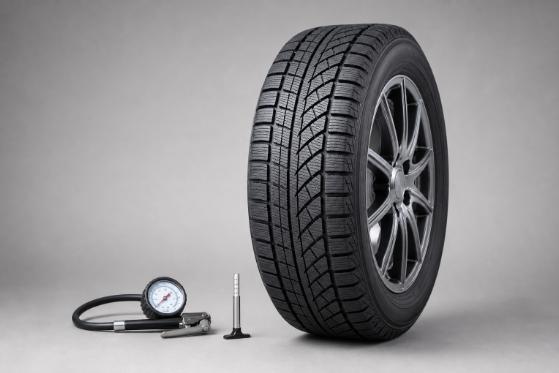
Tires are the only parts of the vehicle that contact the road, so start there. Check pressure when tires are cold and use the pressure listed on the vehicle’s door-jamb label or in the owner’s manual, rather than the maximum number molded into the tire sidewall. Inspect for uneven wear, cracks, bulges, exposed cords, or nails and screws lodged in the tread. Tread depth, tire age, and tire type matter as much as pressure. All-season tires can be a practical choice for moderate conditions, while all-weather tires and dedicated winter tires are designed for more demanding cold-weather use. Drivers planning snowy mountain travel should review winter-safe tire requirements for Colorado roads before leaving, especially when traction rules are in effect. The three-peak mountain snowflake symbol helps identify tires tested for severe snow service. All-wheel drive can help a vehicle get moving, but it does not create extra grip for braking or turning. Leave more space, reduce speed, and avoid assuming that a capable drivetrain can compensate for unsuitable tires.
Protect the Battery
Cold weather makes it harder for a weak 12-volt battery to deliver enough power to start a gas-powered vehicle. Check its age, inspect cable connections for corrosion, and have it tested if cranking sounds slow or lights dim noticeably at startup. Repeated short trips can also leave a battery undercharged, so longer drives may help it recover when appropriate. Keep jumper cables or a charged portable jump starter in the vehicle, but follow the vehicle manual before connecting either one. A battery test is a simple way to identify declining capacity before the battery fails on a freezing morning.
Inspect Brakes and Fluids
Brake Checks
Listen for grinding, squealing, or clicking, and pay attention to vibration, pulling, or a soft brake pedal. These signs deserve prompt professional attention. On wet, icy, or steep roads, extra stopping distance is essential, so reliable brakes and smooth inputs matter even more.
Fluid Checks
Check engine oil, coolant, brake fluid, and windshield washer fluid. Use washer fluid rated for freezing temperatures if cold weather is possible. Also, look for cracked hoses, worn belts, or visible leaks. Low coolant can create trouble during long climbs, stop-and-go traffic, or hot weather, even when the outside temperature feels cool.
Improve Visibility
Replace streaking or cracked wiper blades before heavy rain or snow arrives. Clean the windshield inside and out, then wipe down mirrors, headlights, taillights, cameras, and sensors. Confirm that the front defroster and rear-window heater work correctly. Carry a snow brush and ice scraper, and never rely on windshield wipers to clear thick ice. Before driving, remove snow and ice from the roof, hood, lights, windows, and license plate area. Loose snow can slide onto the windshield or blow onto vehicles behind you, creating an unnecessary hazard.
Prepare Electric and Hybrid Vehicles
Cold weather can reduce electric driving range and increase energy use for cabin heat. Charge before a long trip, identify backup charging locations, and allow extra time for possible charging delays. When the vehicle is supported, preconditioning the cabin while still plugged in can preserve some driving energy. Hybrid owners should monitor both fuel level and battery status. Electric and hybrid vehicles still need routine checks of tires, brakes, wipers, coolant, cabin filter, and the 12-volt battery. The owner’s manual remains the best guide for cold-weather charging and storage recommendations.
Build a Roadside Emergency Kit
A compact emergency kit is useful for a breakdown, road closure, or long delay. Colorado winter-readiness guidance reinforces the value of carrying basic supplies before conditions become difficult.
- Water, shelf-stable snacks, necessary medication, and a first-aid kit
- Warm blankets, gloves, hats, and extra layers
- A flashlight, spare batteries, phone charger, and power bank
- Reflective triangles or a vest, jumper cables, and a portable jump starter
- An ice scraper, snow brush, small shovel, traction material, and tire inflation equipment
Plan Safer Road Trips
Before Leaving
- Check the forecast for the complete route, including higher elevations.
- Review road conditions, closures, and traction requirements.
- Fill the fuel tank or charge the vehicle before entering remote areas.
- Tell someone your route and expected arrival time.
- Build in extra time so poor conditions do not encourage rushed driving.
While Driving
Slow down when pavement becomes slick or visibility drops, leave more following distance, and brake and steer smoothly. Avoid cruise control on slippery roads. Give snowplows, emergency responders, and maintenance crews plenty of room by moving over when safe or slowing down as required.
Common Questions
How Often Should Vehicle Tires Be Checked?
Check tire pressure regularly and before long trips. Perform a visual inspection after striking potholes, curbs, or road debris, and have unusual wear inspected.
Do Electric Vehicles Need Winter Maintenance?
Yes. They still need tire, brake, wiper, fluid, filter, and 12-volt battery checks. Cold temperatures can also affect charging speed and driving range.
Is All-Wheel Drive Enough for Snow?
No. It can improve acceleration, but it does not guarantee shorter stopping distances or better cornering. Suitable tires and conservative driving remain essential.
What Should Drivers Do If a Road Closes?
Follow official instructions and do not drive around barricades. If stranded, staying with the vehicle is often safer than walking away in severe conditions. Keep the exhaust area clear of snow, conserve phone power, and call for help if there is immediate danger.
Conclusion
Reliable driving begins before the vehicle leaves the driveway. A seasonal check of tires, brakes, battery, fluids, lights, wipers, and other visibility equipment can reveal manageable problems before they become costly or dangerous on the road. Drivers should also review tire pressure and tread condition, especially before longer trips or periods of changing weather. Keeping a practical emergency kit, checking weather and road conditions, planning fuel or charging stops, and allowing extra travel time can make unexpected situations easier to manage. Calm driving habits also matter, particularly when roads become wet, slippery, crowded, or difficult to see. By combining routine vehicle preparation with realistic trip planning and attentive driving, motorists can reduce avoidable problems and handle changing road conditions with greater confidence.